Classy with a Savage Side Retro Review
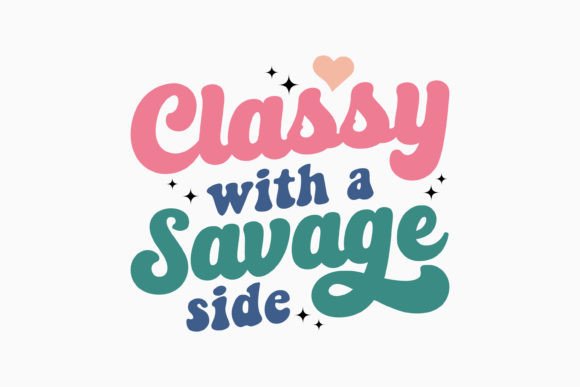
When I first opened the Classy with a Savage Side Retro file, my immediate reaction wasn't about the technical specs but rather the attitude it projected. As someone who has stitched thousands of designs for boutique shops and personal gifts, I know that a design's success often hinges on its personality before it even touches the fabric. This piece carries a distinct retro vibe that feels both nostalgic and edgy. It strikes a balance between sophisticated elegance and a sharp, sarcastic edge that is perfect for modern consumers who want to make a statement without shouting.
The visual layout suggests a design that belongs in the world of custom apparel and lifestyle accessories. The typography and composition imply a mood that is confident and slightly rebellious. For an embroidery designer, this is crucial because the design must translate well from a digital vector into physical thread. In the context of Crafts and Graphics, finding assets that are versatile enough for multiple products while maintaining their integrity is rare. Classy with a Savage Side Retro seems to have been crafted with that duality in mind.
Real-World Application: From Screen to Stitch
Let's imagine a real scenario where I am preparing a batch of merchandise for a local craft fair or an Etsy shop. I need a product that appeals to a specific demographic—perhaps women who appreciate vintage aesthetics but aren't afraid of a little bite in their humor. I decide to use Classy with a Savage Side Retro on a high-quality canvas tote bag. Tote bags are a staple for handmade businesses, but they can be tricky with text-heavy designs if the stitch density isn't right.
Upon testing the design on a scrap of canvas, the layout holds up remarkably well. The curves of the letters flow naturally, avoiding the jagged edges that often plague digitized text on textured fabrics. Because the source files include EPS and SVG formats, I was able to adjust the colorway instantly to match a mustard-yellow thread against a navy blue background. This flexibility is a game-changer for small business owners who need to create variations of a single design for different customer preferences without paying for new digitization.
I also considered using this design on a baby onesie. The "Retro" aspect of the quote adds a touch of whimsy that works beautifully for nursery decor or baby shower gifts. However, when working with baby items, every stitch counts. The design's clarity ensures that the message remains legible even when scaled down slightly for a smaller garment. It transforms a simple piece of clothing into a personalized gift that feels curated and thoughtful.
Where This Design Shines
This embroidery file is particularly effective for products that benefit from a bold, graphic look. Here are a few scenarios where Classy with a Savage Side Retro excels:
- Sweatshirt Embroidery: The contrast between the soft fleece texture and the crisp satin stitches creates a premium feel. The design's layout allows for placement on the chest or the back of a hoodie, making it ideal for streetwear-inspired collections.
- Kitchen Towels and Aprons: The retro aesthetic fits perfectly in a farmhouse-style kitchen. When stitched onto a heavy cotton towel, the design adds a layer of charm that elevates the item from a basic utility to a decorative accent.
- Holiday Gifts: During the holiday season, customers often look for unique, non-generic gifts. A pillow cover embroidered with this quote offers a conversation starter that feels personal and timely.
- Boutique Branding: For small shop owners, consistency is key. Using this design across various product lines—from patches to drinkware mockups—helps establish a cohesive brand identity that resonates with buyers looking for "handmade" authenticity.
Technical Considerations and Potential Pitfalls
While the design is robust, no machine embroidery project is without its challenges. There are specific situations where you need to exercise caution with Classy with a Savage Side Retro.
If you are working with small hoop sizes, such as those used for hats or cap patches, you must verify the scale of the lettering. Tiny details in retro fonts can sometimes get lost in dense stitch areas, especially on curved surfaces like caps. The curvature of a hat can distort straight lines, so a test run on a stabilizer is essential before committing to the final garment.
Texture is another factor to consider. While the design looks great on smooth cotton or canvas, highly textured fabrics like bouclé or thick chenille might obscure the finer points of the lettering. Additionally, stretchy fabrics require careful stabilization to prevent puckering. If the stitch density is too high for a stretchy material, the fabric may warp around the design, ruining the "classy" look with a messy finish.
For dark fabrics, the choice of thread colors becomes critical. Since the file is 100% color changeable, you have the freedom to experiment, but you must ensure there is sufficient contrast. A light thread on a dark background usually requires a higher stitch count to maintain opacity, which could affect the overall weight and drape of the finished product.
Design Notes for the Professional Maker
To get the most out of this embroidery file, I recommend following a strict workflow. First, always test the design on scrap fabric that matches your intended project material. This step helps you identify any issues with thread tension or stabilizer requirements before you cut into expensive inventory.
Review the stitch density closely. High-density fill stitches can sometimes cause fabric distortion, especially if you are using a thin material. If the design appears too heavy, consider adjusting the underlay or reducing the density slightly, though you should check the original file instructions first to see if modifications are recommended.
Inspect small details like serifs or decorative accents. In some cases, these tiny elements can break apart during the stitching process if the thread breaks frequently. Ensuring your machine is threaded correctly and using high-quality thread will mitigate these risks.
Finally, confirm the licensing terms. Whether you are creating a personalized gift for a friend or selling commercial embroidery projects on Etsy, understanding the usage rights is vital. The inclusion of source files like EPS and SVG is a huge plus for designers who want to manipulate the artwork further, but always double-check the license agreement to ensure you are compliant with resale terms.
Final Verdict on Visual Appeal and Value
In the end, Classy with a Savage Side Retro delivers exactly what it promises: a stylish, versatile design that bridges the gap between vintage charm and modern sarcasm. Its ability to adapt to various colors and products makes it a valuable asset for any craft business or digital product seller. The design enhances the perceived value of the finished product, turning a standard tote bag or t-shirt into a statement piece that customers are proud to wear or display.
For designers looking to expand their portfolio with unique, market-ready graphics, this file offers a solid foundation. It encourages creativity while providing the structure needed for professional results. Whether you are an experienced embroiderer or a hobbyist just starting your journey into custom apparel, this design is worth the investment. Just remember to test, stabilize, and trust your instincts when bringing this retro vibe to life on fabric.