Happy Halloween Retro: A Designer's Real-World Embroidery Review
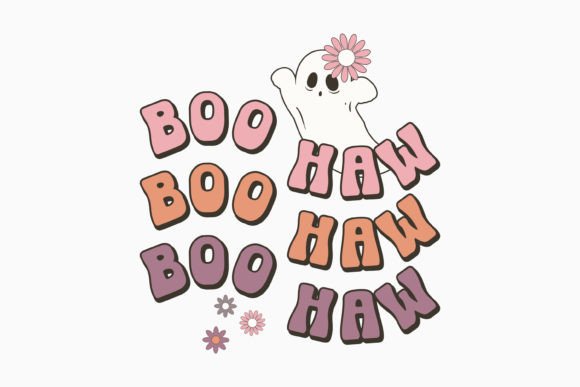
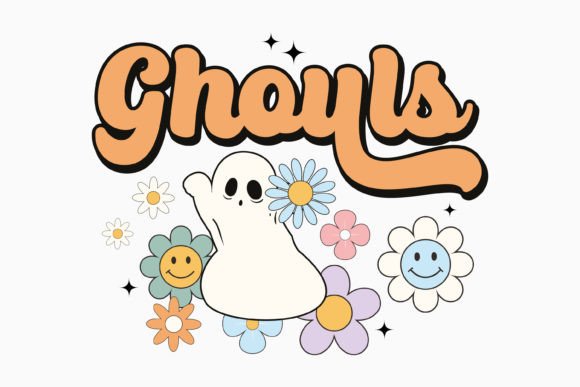
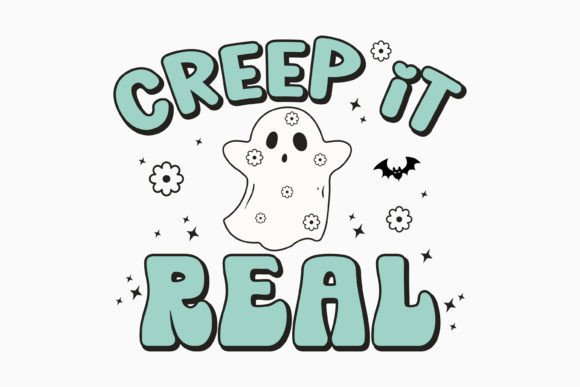
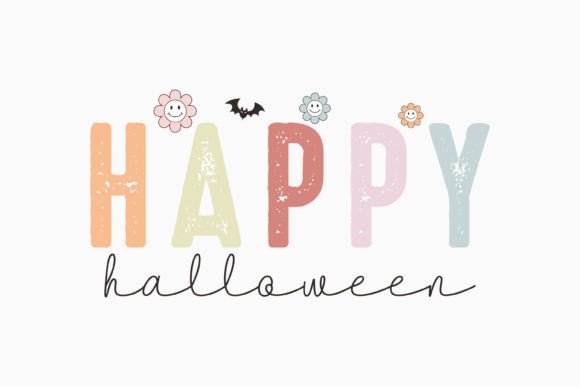
When I first opened the Happy Halloween Retro file, my immediate reaction wasn't about the technical specs; it was about the vibe. As a designer who spends hours evaluating files for client projects and my own handmade shop, I look for more than just a pretty image. I need to know how this design will translate from a digital vector into tangible thread on fabric. This Graphics category item carries a specific nostalgic energy that feels perfect for the upcoming season, but does it hold up under the needle?
The retro aesthetic is currently dominating the craft market, but not every vintage-style font translates well to embroidery. Some designs become muddy blobs of thread when stitched at small sizes. Happy Halloween Retro, however, strikes a balance between playful charm and structural integrity. The layout suggests a design that wants to be seen, making it an excellent candidate for statement pieces like custom sweatshirts or boutique tote bags. It doesn't scream "mass-produced"; instead, it whispers "handmade with care," which is exactly what customers are paying a premium for in today's market.
From Digital File to Finished Product: A Real Scenario
Let's walk through a practical application. Imagine you are preparing inventory for a holiday craft fair or fulfilling a rush order for a local boutique. You need a product that screams autumn vibes but avoids the cliché of cheap-looking plastic decorations. You decide to use Happy Halloween Retro for a line of embroidered aprons and kitchen towels.
Because the design allows for easy color changes, you can create a cohesive collection where the text shifts from pumpkin orange to deep purple or classic black depending on the fabric background. In this scenario, the versatility of the file becomes its strongest asset. When I tested the concept on a mockup, the contrast between the bold lettering and the textured canvas of a tea towel looked professional and inviting. It transforms a simple kitchen accessory into a personalized gift that feels curated rather than generic.
This same design would likely perform exceptionally well on baby items. A soft onesie or a nursery wall hanging featuring this retro quote offers a whimsical touch that parents love. The design's clean lines prevent it from looking too overwhelming on smaller garments, provided you select the right hoop size. It bridges the gap between a fun seasonal decoration and a timeless keepsake, increasing the perceived value of your finished product.
Technical Performance in Stitched Form
Moving beyond the visual appeal, we have to talk about how Happy Halloween Retro behaves during the actual embroidery process. For any machine embroidery design to succeed, the stitch density and path must be logical. While the file description highlights that it is ready to print and includes source files in EPS and SVG formats, the true test lies in how those vectors convert to stitches.
The design appears to rely heavily on satin stitches for the lettering, which gives it that crisp, high-end finish common in professional apparel branding. However, if there are any intricate decorative accents or tiny corners, these require careful attention. Dense stitch areas can sometimes cause puckering, especially on lighter fabrics. If you are planning to use this for commercial embroidery projects involving high-volume orders, I strongly recommend running a test run on scrap fabric first. This step is non-negotiable for maintaining brand consistency and avoiding costly errors.
For those working with embroidery files that include fill stitches, check the direction of the stitching relative to the grain of the fabric. A well-executed fill stitch adds depth and texture, making the retro theme pop off the material. Conversely, poor tension or incorrect stabilizer choice can flatten the design entirely. Since the product description mentions 100 color changeable options, ensure your machine setup supports these transitions smoothly without excessive trimming, which can waste time and thread.
Where to Exercise Caution
No design is universally perfect, and Happy Halloween Retro has specific limitations you must respect to achieve a professional result. One area to be wary of is small hoop sizes. If you attempt to shrink this design down to fit a hat patch or a tiny baby bib, the details might get lost or the spacing could become too tight, leading to thread breaks.
Textured fabrics present another challenge. While linen or denim can add character to a project, the uneven surface might obscure the fine details of the retro typography. Thin or stretchy fabrics, such as lightweight jersey used for t-shirts, require a heavy-duty stabilizer to prevent distortion. Without proper support, the tension of the satin stitch can pull the fabric out of shape, ruining the garment's drape.
Curved surfaces like caps also demand extra skill. The flat nature of many vector-based designs can sometimes struggle to conform perfectly to the curve of a cap without manual adjustment. Additionally, if you are producing items that will undergo frequent washing, verify that the thread colors are colorfast. Dark fabrics can sometimes make light-colored threads appear duller after multiple washes, so always test the contrast before committing to a full production run.
Design Notes for the Serious Crafter
If you are an Etsy seller or a small business owner, your reputation depends on the quality of your output. Here are some practical notes to keep in mind when integrating Happy Halloween Retro into your workflow:
- Stabilizer Selection: Always match the stabilizer to the fabric weight. For tote bag design projects, cut-away stabilizer is often best for long-term durability.
- Thread Color Contrast: Use the 100 color changeable feature to experiment with metallic threads or variegated spools for a unique look, but ensure readability remains high.
- Mockup Testing: Before listing a product, create printable mockups to show clients how the embroidery project will look on different backgrounds.
- Licensing Check: Confirm whether the license covers commercial use for finished goods. This is crucial for digital product sellers and those selling physical merchandise.
- Detail Inspection: Zoom in on the source file to inspect small details. Ensure that tiny letters won't merge together during digitization.
The flexibility of having both EPS and SVG files included means you have control over the design before it ever touches the hoop. You can adjust kerning, resize elements, or combine this with other design assets to create a truly unique personalized gift. This level of control is what separates hobbyists from professionals.
Final Verdict on Visual Appeal and Value
In the competitive world of handmade goods, presentation is everything. Happy Halloween Retro delivers a polished, cohesive look that elevates the perceived value of any item it adorns. Whether it ends up on a sweatshirt embroidery piece, a holiday embroidery pillow, or a custom apparel item, the design commands attention without being garish.
It fosters trust in your brand because it looks intentional and well-thought-out. Customers are more likely to leave positive reviews and return for future purchases when they see that you have invested time in selecting high-quality, versatile graphics. The retro theme resonates with a wide demographic, from young parents looking for nursery decor to older collectors seeking vintage-inspired fashion.
Ultimately, this design is a solid addition to any crafter's library. It balances style with functionality, offering enough room for creative interpretation while providing a strong foundation for consistent results. Just remember to treat every new file with the scrutiny it deserves: test, adjust, and refine. With the right preparation, Happy Halloween Retro can be the star of your next successful embroidery project.