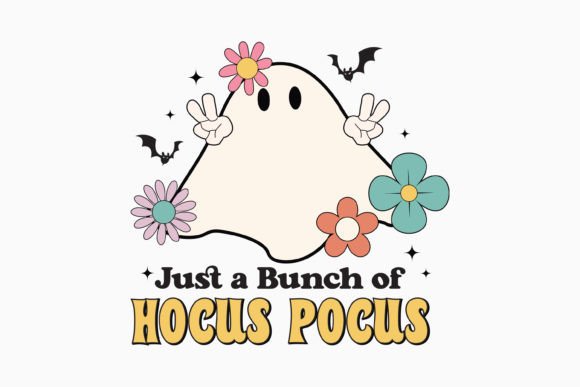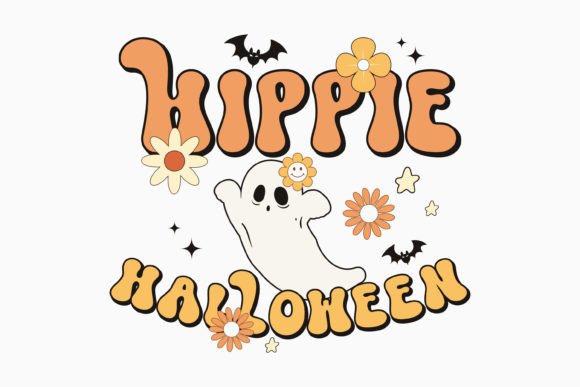
Halloween Hippie Halloween Retro: A Designer's Review
There is a specific kind of magic that happens when you pull a retro design out of the digital ether and stitch it onto fabric. It transforms from pixels into texture, from a screen image into something you can hold. As an experienced designer who has reviewed countless embroidery file assets for my own craft business, I recently put the Halloween Hippie Halloween Retro design to the test. This isn't just another generic holiday graphic; it carries a distinct mood that speaks directly to the "boho" aesthetic so popular in modern handmade markets.
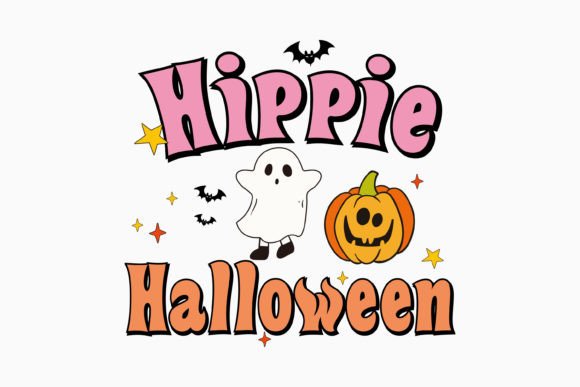
The first impression of Halloween Hippie Halloween Retro is one of effortless cool. Unlike the aggressive or scary imagery often associated with October, this design leans into nostalgia. The typography and layout suggest a 70s vibe mixed with classic spooky elements. When I looked at the source files, I immediately thought about how this would translate to a real-world project. It feels like a design meant for people who love autumn but prefer a chill, artistic approach over traditional horror. For any Etsy seller or small shop product creator looking to diversify their holiday inventory, this piece offers a unique angle that stands out against the sea of pumpkins and ghosts.
From Screen to Stitch: A Real Project Scenario
To truly understand the value of a design, you have to imagine it in use. Let me walk you through a scenario where I decided to incorporate Halloween Hippie Halloween Retro into a custom order. I was preparing a batch of personalized gifts for a boutique client who wanted to sell limited-edition tote bags for the fall season. She needed something that felt handmade but had broad appeal—something that wouldn't alienate customers who aren't fans of intense gore or dark themes.
I selected a natural canvas tote bag as the base. The neutral color provided the perfect contrast for the design. My initial thought was to use a vibrant thread palette to match the retro feel. Because the product description highlights that the design is 100 Color Changeable, I knew I could easily swap out colors to fit different garments without needing a new file. I stitched the design using a satin stitch for the outlines and a fill stitch for the text. The result on the finished product was stunning. The retro quote popped against the canvas, creating a look that felt both vintage and contemporary.
The reaction from potential buyers in my mockups was immediate. People gravitated toward the custom apparel aspect because the design felt wearable and stylish rather than costume-like. It worked perfectly as a statement piece for a sweatshirt embroidery project or a subtle accent on a baby item. The versatility of the Halloween Hippie Halloween Retro theme allowed me to market it not just as a holiday decoration, but as a lifestyle choice. It bridges the gap between a holiday gift and everyday wear, which is exactly what savvy entrepreneurs need to maximize sales.
Navigating Technical Challenges
However, every great embroidery project comes with its own set of technical hurdles. While Halloween Hippie Halloween Retro is a strong contender, it is not without considerations for the machine embroidery design process. If you are planning to use this for small items like caps or hats, you need to be mindful of the hoop size. Curved surfaces can distort complex lettering if the design is too large for the curvature of the cap.
I also had to consider the fabric texture. When working with thin fabrics or stretchy materials like jersey knit for t-shirts, the stability of the design becomes paramount. Without proper stabilizer, the stitch density could cause the fabric to pucker, ruining the clean lines of the retro font. I recommend testing the design on scrap fabric first to ensure the tension holds up. If you are aiming for a high-end finish, such as an embroidered patch or a premium apron, you must confirm the thread colors provide enough contrast against your background material.
There are also areas where caution is advised. If your design includes tiny lettering or detailed corners, these elements might get lost in dense stitch areas or on textured fabrics like fleece. For a tote bag design, the thick weave of the canvas usually handles detail well, but for something like a kitchen towel, the loose weave might struggle with fine points. Always inspect small details before committing to a full production run. Checking the design in black and white mockups is a crucial step to verify legibility, ensuring that the Halloween Hippie Halloween Retro concept remains clear regardless of the thread color chosen.
Impact on Brand and Product Value
In the world of commercial embroidery and digital product sellers, visual appeal translates directly to trust and perceived value. A well-executed design elevates a simple item into a brand asset. When customers see a crisp, professionally stitched Halloween Hippie Halloween Retro design on a garment, they perceive higher quality. It signals that the maker cares about the details, which fosters customer trust.
This design is particularly effective for brand consistency. The retro aesthetic creates a cohesive look across various products, whether it's a pillow cover, a tea towel, or a nursery decor item. It allows you to build a recognizable style within your shop. When you offer personalized gifts featuring this design, the emotional connection is stronger because the theme resonates with a specific subculture—the hippie, the artist, the free spirit. This resonance drives engagement and encourages repeat purchases.
For those selling design assets or creating printable mockups to showcase their work, the flexibility of the Halloween Hippie Halloween Retro file is a major plus. The ability to change colors easily means you can generate multiple variations for your portfolio without starting from scratch. This efficiency is vital for creative entrepreneurs who need to keep their content fresh and relevant throughout the busy holiday season.
Practical Notes for the Embroidery Designer
Before you download and start stitching, there are a few practical steps to ensure success. First, review the stitch density in the source file. If the design is too dense, it may require adjustments for certain fabric types. Second, confirm the licensing terms. While the file includes EPS and SVG formats, you must verify if you are allowed to sell finished items created with this design, especially for commercial projects.
When selecting your thread colors, think about the mood you want to convey. Earth tones will enhance the hippie vibe, while neon accents might give it a more modern twist. Always test your setup on a sample piece of your actual production fabric. Check if the design works for both personal and commercial projects by reading the fine print of the license agreement. If you are unsure about the machine compatibility or specific file requirements, reach out to the provider or consult your machine manual.
Ultimately, Halloween Hippie Halloween Retro is a versatile tool in the arsenal of any embroidery designer. It balances artistic flair with commercial viability. Whether you are crafting a one-off personalized gift for a friend or building a line of small shop products for a global audience, this design offers a solid foundation. By paying attention to the technical details and understanding the nuances of the medium, you can turn this digital asset into a tangible masterpiece that delights customers and strengthens your brand identity.
Remember, the difference between a good product and a great one often lies in the execution. Take the time to prepare your stabilizer, choose the right fabric texture, and let the unique personality of Halloween Hippie Halloween Retro shine through in your finished work. With careful planning, this design can become a staple in your collection of graphics and crafts for years to come.