Hold on Let Me Overthink This Retro: A Designer's Review
As someone who has spent years turning digital files into tangible, stitched masterpieces, I approach every new download with a mix of excitement and skepticism. You want the design to look good on screen, but more importantly, you need it to hold up under the needle, thread tension, and the wear and tear of real life. Today, I am putting Hold on Let Me Overthink This Retro through its paces. This isn't just about downloading a file; it is about evaluating whether this specific embroidery design fits into your workflow for custom apparel, handmade products, or a busy Etsy shop.
The First Impression: Mood and Visual Personality
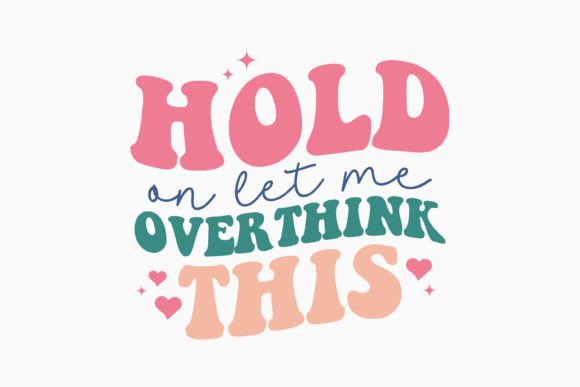
When you first open the folder for Hold on Let Me Overthink This Retro, the immediate feeling is one of relatable humor wrapped in vintage aesthetics. The retro theme suggests a nostalgic vibe that resonates well with current trends in fashion and home decor. It feels like something you would see on a curated shelf at a boutique coffee shop or a trendy streetwear store. The layout appears balanced, likely designed to sit comfortably within standard hoop sizes without looking cramped or overly sparse.
For an embroidery designer, the "retro" aspect is crucial. It implies rounded edges, perhaps a slightly distressed texture if the file supports it, and a color palette that screams nostalgia. In the context of Crafts and Graphics, this design stands out because it offers a personality that goes beyond simple text. It invites the viewer to pause and smile, making it an excellent candidate for personalized gifts where emotional connection matters as much as the stitching quality.
Real-World Application: From Screen to Stitch
Let's imagine a real scenario. You are preparing for a local craft fair or fulfilling a rush order for a client who wants a custom embroidered tote bag. They asked for something funny but stylish, something that reflects their own anxiety about decision-making. You pull up Hold on Let Me Overthink This Retro. How does it translate?
In a practical setting, this design shines on medium-to-large canvas items. A heavy-duty tote bag provides the perfect stable surface for the lettering to breathe. The retro style pairs beautifully with natural cotton or denim, allowing the thread colors to pop without competing with the fabric texture. If you are working on a sweatshirt, the design adds a layer of casual sophistication. It transforms a basic garment into a statement piece that customers will actually want to wear.
I also see potential here for baby items and nursery decor. The phrase is lighthearted enough to be used on a onesie or a blanket, provided the font size is adjusted appropriately. However, the key to success lies in how the stitch density interacts with the fabric. For a finished product to feel professional, the threads must lay flat without puckering the material. If the design includes dense fill stitches, you will need a high-quality stabilizer to prevent the fabric from distorting during the machine embroidery process.
Where Caution is Required
While this design has versatility, there are specific scenarios where Hold on Let Me Overthink This Retro might struggle. Precision is the enemy of chaos in embroidery, and small details can get lost easily. If you attempt to stitch this onto a small cap or a tight-fitting hat, the curvature of the fabric could stretch the letters, making them unreadable. Curved surfaces require careful hooping and often a smaller design footprint.
Thin fabrics, such as sheer polyester or lightweight rayon, present another challenge. Without adequate backing, the weight of the embroidery could cause the fabric to tear or sag over time. Similarly, dark fabrics demand a thoughtful approach to thread selection. If the original file assumes a light background, you may need to adjust the thread colors significantly to ensure contrast. A white or light-colored retro quote on a black shirt requires a different strategy than on a cream-colored pillow cover.
Furthermore, avoid using this design for intricate patches that require frequent washing or heavy friction. While durable, complex lettering with sharp corners can fray if the satin stitch coverage is not optimized. Always test the durability by running a wash cycle on a scrap piece before committing to a final commercial product.
Impact on Product Value and Brand Consistency
In the world of handmade goods and Etsy sellers, the visual appeal of your work directly influences customer trust. A poorly executed design can make even the best materials look cheap. Hold on Let Me Overthink This Retro, when executed correctly, elevates the perceived value of the item. It signals that the maker understands typography, composition, and the nuances of the medium.
For small business owners, consistency is king. Using a cohesive set of designs helps build a recognizable brand identity. If your shop specializes in witty, vintage-inspired goods, this file fits perfectly into that narrative. It enhances the giftability of your products; people love giving items that express a shared sentiment or inside joke. When a customer sees a well-stitched, clear design on a kitchen towel or a hoodie, they are more likely to share it on social media, providing free marketing for your craft business.
Practical Notes for the Embroidery Designer
Before you hit the start button on your machine, there are critical steps to take. First, always test the design on scrap fabric. This allows you to check the hoop size requirements and ensure the design fits your intended project dimensions. Check the stitch density closely; if the areas look too packed, consider reducing the density settings in your digitizing software to improve the finish.
Review the file formats carefully. The product description mentions EPS and SVG files. These are vector formats, which means they are scalable, but they are not direct embroidery files (like .DST or .PES). You will need to convert these vectors into a machine-readable format using digitizing software. During this conversion, pay attention to the running stitch vs. fill stitch balance. Ensure that any tiny lettering remains legible after digitization.
Confirm your licensing terms before selling finished items. Some digital assets allow for personal use only, while others permit commercial sales. Make sure you have the rights to sell products made with Hold on Let Me Overthink This Retro. Also, inspect the source files for any hidden layers or complex paths that might complicate the conversion process.
Final Thoughts on a Versatile Asset
Hold on Let Me Overthink This Retro is more than just a collection of lines and curves; it is a tool for storytelling. Whether you are creating a custom apparel line, designing a unique embroidered patch, or making a heartfelt personalized gift, this design offers a strong foundation. It balances humor with style, making it suitable for a wide range of projects from holiday gifts to boutique branding.
By treating the design with respect—testing it thoroughly, choosing the right fabrics, and paying attention to the technical details—you can turn a simple digital file into a standout finished product. For designers, makers, and entrepreneurs looking to add a touch of retro charm to their portfolio, this is a solid addition to your design assets library.