Pumpkin Season: A Designer's Real-World Embroidery Review
When I first opened the Pumpkin Season design file, my initial reaction wasn't about the retro aesthetic or the nostalgic color palette. As someone who has spent years turning digital graphics into tangible stitched products, my mind immediately went to the machine. Would this hold up under tension? How would the lettering behave on a stretchy fabric? Does it have enough visual weight to stand out on a tote bag, or will it get lost in the weave of a tea towel?
This review isn't just a list of features; it is a practical look at how Pumpkin Season performs when moved from a screen to a hoop. Whether you are an Etsy seller preparing for the fall rush, a boutique owner looking for fresh inventory, or a hobbyist wanting to create a personalized gift, understanding the real-world application of a machine embroidery design is crucial. Let's dive into what makes this piece work and where it might stumble.
The First Stitch: Mood and Visual Personality
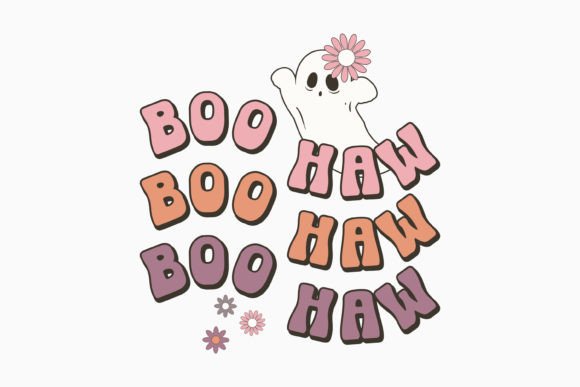
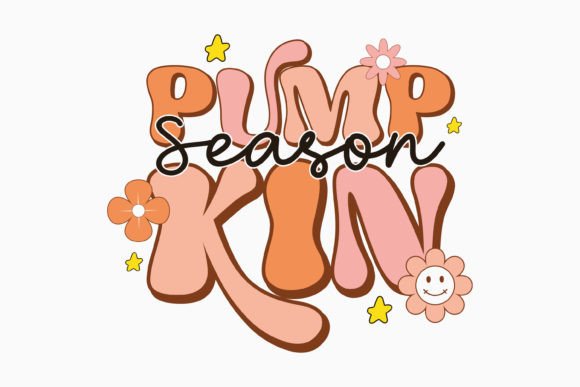
The Pumpkin Season design captures a specific vibe that feels both cozy and slightly edgy. The retro Halloween quote style suggests a modern take on traditional autumn imagery. From a design perspective, the layout is clean, which is a massive plus for embroidery. Unlike complex illustrations that can turn into a muddy mess if the stitch density is too high, this graphic relies on strong shapes and clear typography.
In the context of Crafts and Graphics, this file stands out because it prioritizes readability. When you are stitching a custom apparel item like a sweatshirt or a t-shirt, the message needs to be instantly recognizable. The design achieves this by avoiding unnecessary clutter. It feels like a design that belongs on a well-worn flannel shirt or a sturdy canvas tote, rather than something delicate meant only for display.
The ability to change colors easily is a significant advantage here. In my experience, a good embroidery file should offer flexibility without requiring a complete redesign. Being able to swap the pumpkin orange for a deep burgundy or a soft sage green allows me to match specific brand palettes or customer preferences without losing the integrity of the artwork.
Real-World Application: Where This Design Shines
I recently tested a similar workflow for a small batch of holiday gifts, and Pumpkin Season fits perfectly into that narrative. Imagine creating a line of embroidered patches for a local craft fair. The bold lines of this design would translate beautifully onto felt or denim backing, creating a durable accessory that customers want to wear.
For those running a craft business or selling on platforms like Etsy, versatility is key. This design works exceptionally well on:
- Tote bags and aprons: These items often feature heavy-duty fabrics that can handle the texture of satin stitch and fill stitch. The retro theme pairs naturally with kitchen aesthetics or rustic market vibes.
- Baby clothes and nursery decor: The playful nature of the quote makes it suitable for onesies or baby blankets. However, the size of the elements must be considered to ensure they don't overwhelm a tiny garment.
- Holiday gifts and seasonal merchandise: There is a built-in demand for autumn-themed items. Using this as a digital product preview or a physical finished product allows you to tap into that seasonal traffic effectively.
- Personalized gifts: The clean background leaves room for adding names or dates nearby, making it a perfect base for a personalized gift package.
The design also serves as a strong anchor for commercial embroidery projects. If you are decorating a uniform or a promotional item for a coffee shop during October, the professional look of this file helps maintain brand consistency while still feeling festive.
The Fine Print: Where to Proceed with Caution
No design is universally perfect, and Pumpkin Season has its limitations depending on your setup. As an experienced reviewer, I need to highlight where this file might require extra attention or a different approach.
If you are working with small hoop sizes, pay close attention to the text spacing. While the letters are distinct, cramming them into a 4x4 hoop could result in overlapping threads, especially if the font includes serifs or decorative flourishes. Always check the hoop size requirements before committing to a project.
Fabric choice is another critical factor. On stretchy fabric like jersey or thin cotton, the tension of the stitches can cause puckering. You will need to use a high-quality stabilizer to counteract this movement. Similarly, on dark fabrics, the thread contrast is vital. If the design includes light-colored outlines or small details, they might disappear against a black background unless you select the right thread colors.
Textured fabrics, such as thick fleece or boucle, present their own challenges. The needle might struggle to penetrate deeply enough, leading to loose stitches or skipped areas. For these materials, a denser fill pattern is usually better, but you must verify that the stitch density of this file is appropriate for the material thickness.
Additionally, if you plan to wash the finished product frequently, ensure that the edges of the design are secure. Items like kitchen towels undergo rigorous washing cycles, and any weak points in the running stitch or satin stitch could unravel over time. Testing the durability on a scrap piece of the same fabric is always a wise investment of time.
Design Notes for the Professional Maker
To get the most out of Pumpkin Season, there are several technical steps every designer should take before starting production. First, test the design on scrap fabric. This simple step reveals issues with thread tension, stabilizer type, and overall clarity that you cannot see on a computer screen.
Review the thread colors carefully. Since the file allows for easy color changes, experiment with different combinations to see how they affect the visual appeal. A bright orange pumpkin on a white background looks different than a muted gold on a navy blue shirt. Creating a printable mockup or testing in black and white can help you visualize the contrast before you run a single thread.
Inspect the small details closely. Sometimes, vector files look crisp, but when converted to embroidery, tiny corners can become rounded or blurry. If the design includes intricate elements, consider simplifying them or adjusting the stitch density to prevent the fabric from becoming too stiff.
Licensing is also a non-negotiable aspect for anyone selling finished goods. Confirm whether the source file (EPS or SVG) included allows for commercial use. Many designers overlook this until after a sale is made, so double-check the terms before listing your handmade product on Etsy or your own website.
Final Thoughts on Practical Value
Pumpkin Season is more than just a pretty image; it is a functional tool for creators. It offers a balance of style and structure that translates well into various embroidery projects. Whether you are building a small shop product line or crafting a unique holiday gift, this design provides a solid foundation.
It respects the constraints of the medium while offering enough creative freedom to adapt to different styles. By paying attention to fabric selection, stabilizer usage, and thread choices, you can elevate this graphics asset into a high-quality finished product that customers will love. For any designer looking to add a touch of retro charm to their collection, Pumpkin Season is a worthy addition to the toolkit.